Science-Backed Strategies to Repair Dry Damaged Hair, Tame Frizz, and Prevent Split Ends
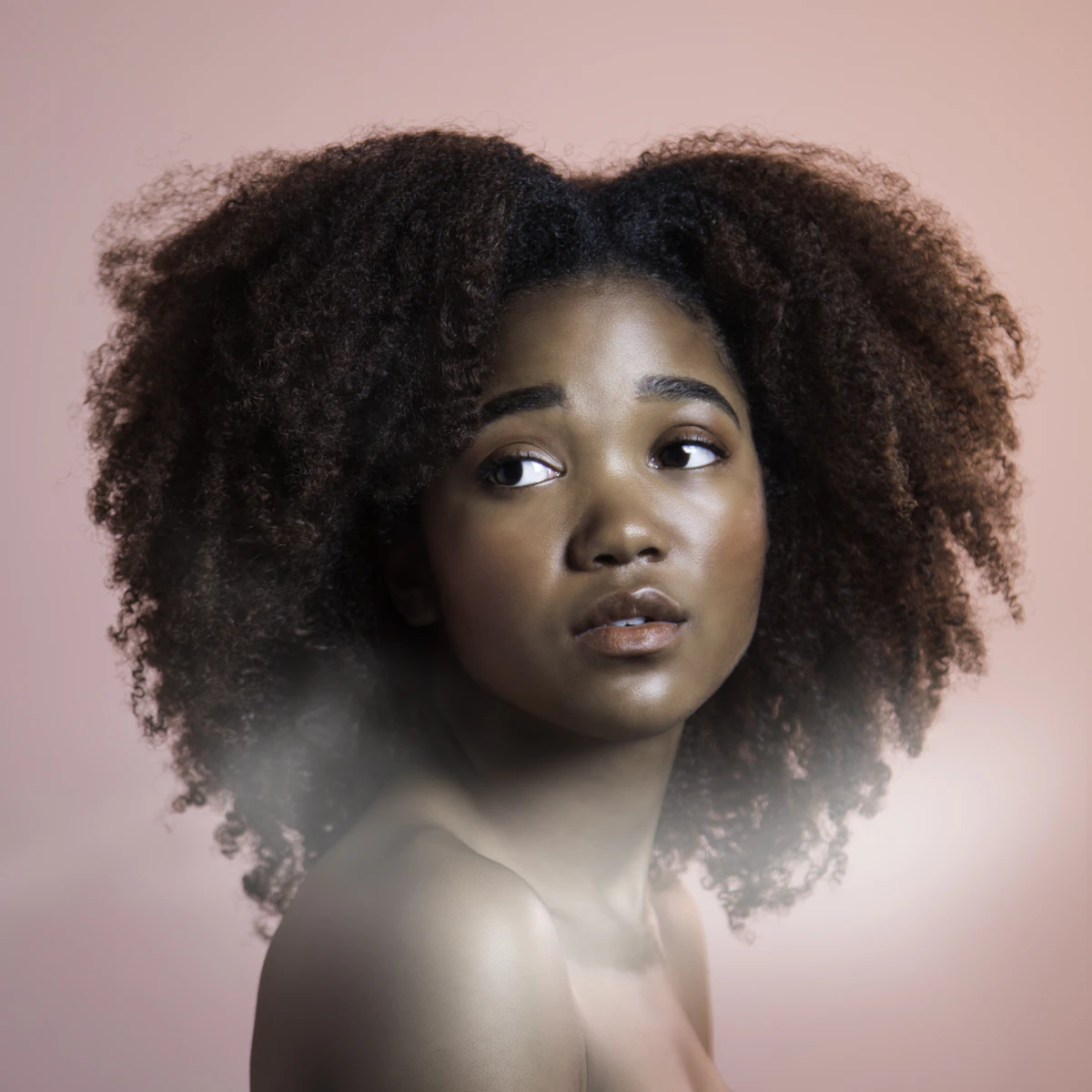
Chronic split ends, unrelenting frizz, and straw-like hair texture are universal indicators of structural moisture deficiency and mechanical stress. Daily exposure to heat styling tools, chlorinated water, aggressive hair coloring, and dry weather pulls natural moisture out of the hair fiber. Restoring healthy elasticity requires rebuilding the lipid layer and strengthening the internal protein structure of every hair strand.
Understanding Hair Porosity and Fiber Breakdown
Every individual hair strand consists of three primary layers: the central medulla, the structural keratin cortex, and the external protective shield called the cuticle. The cuticle consists of flat, overlapping protein scales comparable to roof shingles. Healthy cuticles lie flat and smooth, effectively trapping moisture inside while reflecting natural light.
When high heat tools or bleach chemicals penetrate hair, these protective shingles chip, lift, and break off. This condition, known as high porosity, causes water and conditioning products to escape almost immediately, leaving strands dry, tangled, and prone to splitting upward.
Step 1: The Protein-Moisture Balance
Healthy hair depends on a delicate equilibrium between hydration (flexibility) and protein (tensile strength):
- Hydrolyzed Keratin & Silk Proteins: When strands feel gummy, limp, or overly stretchy when wet, they lack structural protein. Applying a monthly hydrolyzed protein treatment fills micro-cracks along the damaged shaft.
- Deep Emollient Masks: If your hair feels brittle, stiff, and snaps readily with mild tension, it requires lipid moisture. Nourish hair weekly with masks containing shea butter, argan oil, and fatty alcohols (cetyl and stearyl alcohol).

Step 2: Mastering Thermal Heat Protection
Direct heat exceeding 180°C permanently alters the molecular structure of keratin fibers, causing irreversible internal bubbling (bubble hair phenomenon). If you must use blow dryers or flat irons, apply an effective leave-in heat protectant spray containing dimethicone or bis-aminopropyl diglycol dimaleate. These compounds dissipate thermal heat evenly across the surface rather than cooking the vulnerable cortex.
Step 3: Stopping Split Ends in Their Tracks
Once a hair fiber splits at the tip, no cosmetic product can truly glue it back together permanently. Serums can only seal ends cosmetically until your next shampoo:
- Preventative Trimming: Schedule a micro-trim every 8 to 12 weeks to remove split ends before they tear further up the hair shaft.
- Nighttime Friction Shielding: Cotton pillowcases absorb moisture and create abrasive friction while you toss and turn. Sleep on smooth satin or silk pillowcases to prevent morning tangles and end-splitting.
Step 4: Safe Styling and Low-Tension Habits
Tight ponytails, abrasive rubber bands, and heavy hair clips cause continuous traction stress on hair follicles, resulting in traction alopecia along the hairline. Switch to soft silk scrunchies and loose hairstyles that allow the scalp and roots to rest without mechanical pull.
Hair Repair Rule of Thumb
Avoid high heat, hydrate porous ends with nutrient-rich plant oils, handle wet hair gently, and trim split ends regularly to keep your hair resilient, shiny, and tangle-free.


